

Call us now
08037734277
Call us now
08037734277

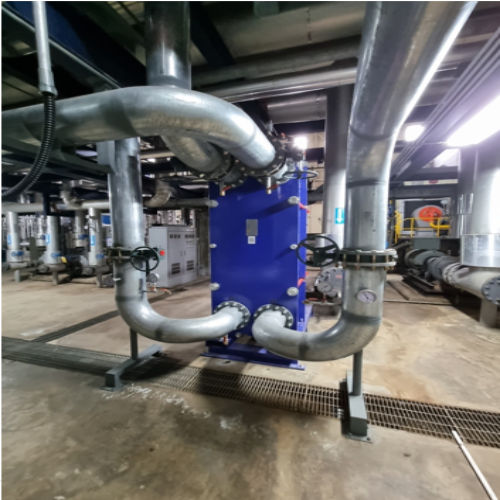
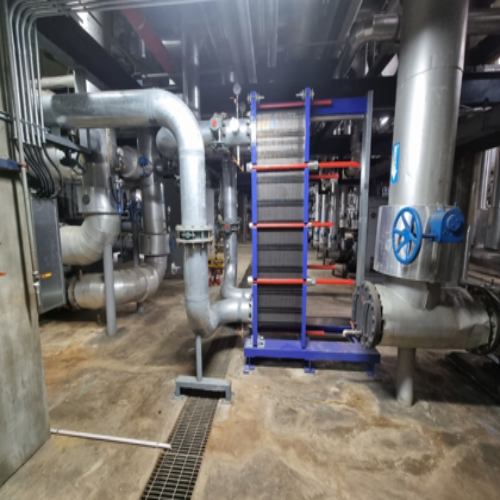
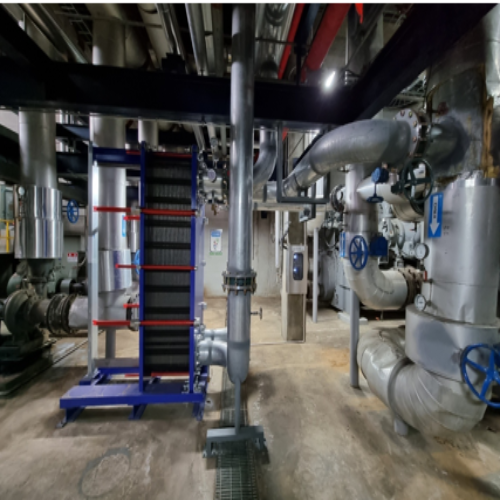

Free cooling with a chiller bypass is an energyefficient strategy that takes advantage of favorable outdoor temperatures to reduce the need for mechanical cooling systems In this approach a chiller bypass mechanism is used to divert the cooling load away from the chiller when outdoor air temperatures are sufficiently low Instead of running the chiller which consumes significant amounts of energy the system uses cooler external air to directly cool the building or process
The system typically includes a set of dampers and controls that monitor outdoor temperatures and adjust airflow accordingly When conditions are ideal for free cooling these controls bypass the chiller allowing outside air to pass through the cooling coils or heat exchangers and lower the temperature of the internal space or process
This method not only decreases energy consumption and operational costs but also reduces the wear and tear on chiller equipment extending its lifespan By integrating free cooling with chiller bypass businesses can improve their energy efficiency lower cooling costs and contribute to environmental sustainability through reduced energy use and lower greenhouse gas emissions
FAQs on Free Cooling with Chiller Bypass
1 What is free cooling with chiller bypass
Free cooling with chiller bypass is a method that uses outside air to cool a facility or process without relying on mechanical chillers When outdoor temperatures are sufficiently low the system bypasses the chiller using ambient air to achieve cooling
2 How does free cooling with chiller bypass work
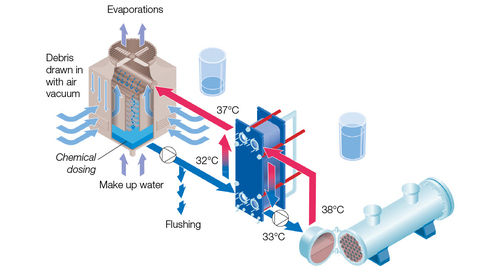
The system uses a heat exchanger or air handling unit to draw in cool outside air When the outdoor temperature is low enough the system bypasses the chiller allowing the cool outside air to directly cool the water or air in the system This reduces or eliminates the need for mechanical refrigeration
3 What are the benefits of free cooling with chiller bypass
Energy Savings Reduces energy consumption by using free outside air instead of operating chillers
Cost Reduction Lowers operational costs associated with mechanical refrigeration
Improved Efficiency Increases overall system efficiency by reducing the load on the chiller
Environmental Impact Decreases greenhouse gas emissions by minimizing chiller operation
4 When is free cooling with chiller bypass most effective
Free cooling with chiller bypass is most effective during cooler months or in climates where outdoor temperatures are frequently lower than the required cooling temperature Its particularly useful in applications with fluctuating cooling demands and cooler ambient conditions
5 What equipment is involved in a free cooling with chiller bypass system
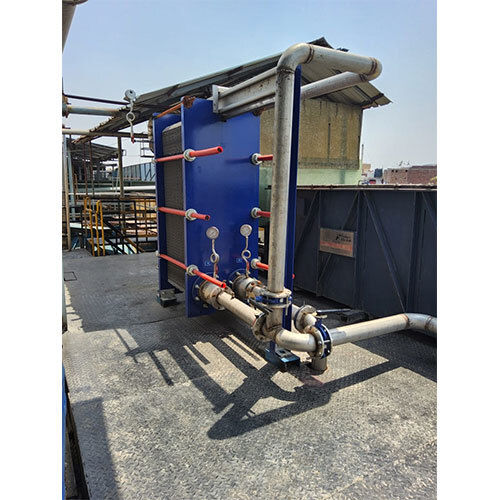
Heat Exchangers Transfer heat between the outside air and the process or system being cooled
Air Handling Units Facilitate the flow of outside air into the system
Chillers Operate in bypass mode or are turned off when outside air provides adequate cooling
Temperature Sensors and Controls Manage the switching between free cooling and chiller operation based on outdoor and system temperatures
6 What factors should be considered when designing a free cooling with chiller bypass system
Climate Conditions Evaluate the local climate to ensure there are sufficient cool periods for effective free cooling
System Design Ensure compatibility with existing cooling infrastructure and efficient integration of free cooling equipment
Temperature Control Implement precise controls to switch between free cooling and chiller operation based on realtime temperature data
7 How much energy can be saved with free cooling and chiller bypass
Energy savings vary based on local climate and the efficiency of the system In ideal conditions significant savings can be achieved by reducing chiller operation which can lead to substantial reductions in energy and operational costs
8 How does free cooling with chiller bypass contribute to sustainability
By utilizing ambient air for cooling instead of mechanical refrigeration free cooling with chiller bypass reduces energy consumption and greenhouse gas emissions contributing to more sustainable and environmentallyfriendly operations
9 What maintenance is required for a free cooling with chiller bypass system
Regular Inspection Check heat exchangers air handling units and control systems for proper operation
Cleaning Clean heat exchangers and filters to ensure efficient heat transfer and airflow
System Calibration Verify and calibrate temperature sensors and controls to ensure accurate operation
10 Can free cooling with chiller bypass be retrofitted to existing systems
Yes free cooling systems with chiller bypass can often be added to existing cooling setups with appropriate modifications enhancing energy efficiency without major changes to the existing infrastructure

Price:





 Send Inquiry
 Send Inquiry
 Send SMS