Back to top

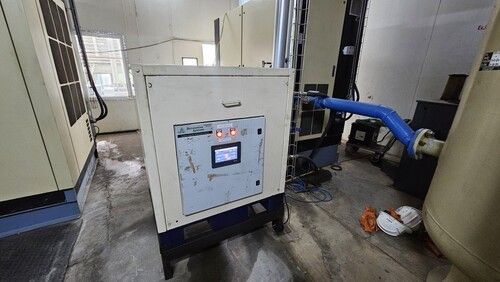
Heat Recovery from Effluent

Heat Recovery from Effluent

Heat Recovery from Effluent Specification

  • Filtration Property
  • Chemical Filtration
  • Accessories
  • Heat Exchanger, Control Panel, Insulation Jackets
  • Technology
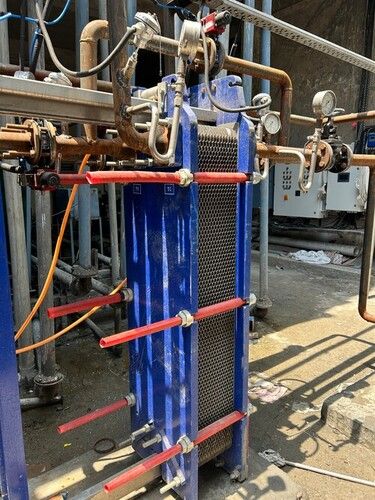
  • Plate Heat Exchanger
  • Features
  • Corrosion Resistant, High Thermal Efficiency
  • Noise Level
  • < 70 dB
  • Shape
  • Rectangular
  • Coverage Area
  • Up to 5000 sq. ft.
  • Humidity Range
  • 10-95% RH
  • Frequency
  • 50 Hz
  • Motor Speed
  • 1440 RPM
  • Power Source
  • Three Phase Electric
  • Surface Finish
  • Polished
  • Application
  • Industrial Effluent Heat Recovery
  • Air Flow Capacity
  • 1500 m/hr
  • Energy Efficiency Rating
  • A+
  • Mounting Type
  • Vertical
  • Automation Grade
  • Semi-Automatic
  • Material
  • Stainless Steel
  • Type
  • Industrial
  • Power
  • 5 kW
  • Voltage
  • 415 V
  • Capacity
  • 2000 L/hr
  • Installation Type
  • Floor Mounted
  • Usage
  • Wastewater Treatment Plants
  • Function
  • Heat Recovery from Effluent Streams
  • Ambient Temperature Range
  • -10°C to 50°C
  • Safe Operating Pressure
  • 10 bar
  • Life Expectancy
  • 12 years
  • Transportability
  • Skid Mounted
  • Weight
  • 350 kg
  • Startup Time
  • < 30 minutes
  • Calibration
  • Factory Calibrated
  • Safety Features
  • Overheat Protection, Pressure Relief Valve
  • Heat Recovery Efficiency
  • Up to 65%
  • Max Fluid Temperature
  • 180°C
  • Control System
  • PLC Based
  • Inlet/Outlet Connection Size
  • 2 inches
  • Effluent Compatibility
  • Acidic/Basic/Neutral
 

Heat Recovery from Effluent Trade Information

  • Minimum Order Quantity
  • 1 Number
  • Supply Ability
  • 10 Per Year
  • Delivery Time
  • 15-20 Days
  • Main Domestic Market
  • Chandigarh, Punjab, Delhi, Haryana, Himachal Pradesh, Jammu and Kashmir
 

About Heat Recovery from Effluent

Heat recovery from effluent is a process designed to enhance energy efficiency in industrial settings by utilizing the thermal energy present in waste streams. Effluent, which is often hot due to various industrial processes, carries significant thermal energy that can be harnessed rather than wasted. The process typically involves the installation of heat exchangers or recovery systems that transfer heat from the hot effluent to a secondary medium, such as water or air. This recovered heat can then be used for various purposes, including pre-heating fluids, powering heating systems, or improving overall process efficiency.

Implementing heat recovery systems not only reduces energy consumption and operational costs but also contributes to environmental sustainability by lowering greenhouse gas emissions. By capturing and repurposing waste heat, industries can improve their energy footprint, comply with regulatory requirements, and enhance their overall efficiency.


FAQs on Heat Recovery from Effluent

1. What is heat recovery from effluent?

Heat recovery from effluent involves capturing waste heat from industrial or wastewater effluents and repurposing it to improve energy efficiency. This process recovers heat from hot liquids discharged during industrial operations or wastewater treatment.


2. How does heat recovery from effluent work?

Heat exchangers are used to transfer heat from the hot effluent to another medium, such as water or air, which can then be used for heating purposes or other industrial processes. The recovered heat can be used to preheat incoming fluids or generate steam.


3. What are the benefits of heat recovery from effluent?

  • Energy Savings: Reduces the need for additional energy by utilizing waste heat.
  • Cost Reduction: Lowers operational costs by reducing the need for external heating sources.
  • Improved Efficiency: Enhances overall energy efficiency of industrial processes.
  • Environmental Impact: Reduces the environmental footprint by recovering heat that would otherwise be wasted.

4. What types of heat exchangers are used for effluent heat recovery?

  • Shell and Tube Heat Exchangers: Suitable for high-temperature effluents and large volumes.
  • Plate Heat Exchangers: Compact and efficient for transferring heat between fluids.
  • Spiral Heat Exchangers: Effective for handling viscous or particulate-laden effluents.

5. What industries benefit from heat recovery from effluent?

Industries such as:

  • Chemical Manufacturing: Reuse heat from process effluents to preheat process streams or generate steam.
  • Food and Beverage: Capture heat from wastewater for energy recovery or process heating.
  • Pulp and Paper: Utilize heat from effluent streams in paper production processes.
  • Textile: Recover heat from dyeing and washing processes to reduce energy consumption.

6. What factors should be considered when designing a heat recovery system for effluent?

  • Effluent Temperature: Higher temperatures provide more recoverable heat.
  • Effluent Composition: Consider potential corrosive or fouling effects on heat exchanger materials.
  • System Compatibility: Ensure the heat recovery system integrates well with existing processes.
  • Heat Demand: Identify where recovered heat can be efficiently used within the facility.

7. How much energy can be recovered from effluent?

The amount of recoverable energy depends on the temperature of the effluent and the efficiency of the heat recovery system. In many cases, a significant portion of the waste heat can be reclaimed and used, leading to considerable energy savings.


8. How does heat recovery from effluent contribute to sustainability?

By capturing and reusing waste heat, heat recovery systems help reduce the need for external energy sources, lower greenhouse gas emissions, and support more sustainable industrial practices.


9. What maintenance is required for a heat recovery system from effluent?

  • Regular Inspection: Check for fouling, scaling, or corrosion in the heat exchanger.
  • Cleaning: Clean the heat exchanger periodically to maintain efficient heat transfer.
  • System Monitoring: Continuously monitor system performance to ensure effective heat recovery.

10. Can heat recovery systems be retrofitted to existing processes?

Yes, heat recovery systems can often be integrated into existing processes with appropriate modifications, improving energy efficiency without major disruptions to current operations.


Reliable Energy-Efficient Heat Recovery

This industrial-grade heat recovery unit delivers up to 65%% thermal efficiency, recovering valuable energy from effluent streams. Its robust construction ensures compatibility with corrosive fluids and challenging environments while maintaining low noise levels (<70 dB) and a long lifespan (12 years). Energy efficiency is rated A+, making it a dependable and eco-conscious choice for wastewater treatment plants in India.


Advanced Automation and Safety Systems

Equipped with a PLC-based control system, the heat recovery unit automatically manages temperature, flow, and safety functions. Key features such as overheat protection and a pressure relief valve provide comprehensive safeguards. The system is supplied with a control panel, heat exchanger, and high-quality insulation jackets for trouble-free, semi-automatic operation under diverse ambient conditions.

FAQs of Heat Recovery from Effluent:


Q: How does the heat recovery process work in this effluent system?

A: The system uses a plate heat exchanger to transfer heat from hot effluent streams to a secondary fluid, utilizing up to 65%% of the waste energy while maintaining strict separation of fluids for chemical compatibility and safety.

Q: What are the main benefits of installing this heat recovery system in a wastewater treatment plant?

A: Installing this unit reduces energy consumption, lowers operational costs, and improves environmental sustainability by recovering usable heat from effluent. Its high efficiency and robust safety features provide reliable long-term service.

Q: When is the ideal time to integrate the heat recovery unit into an existing plant?

A: This system is suitable for new installations or as an upgrade to existing facilities. It can be incorporated during scheduled plant maintenance to minimize downtime, given its quick startup of under 30 minutes and skid-mounted design.

Q: Where can this heat recovery unit be installed, and what are the mounting requirements?

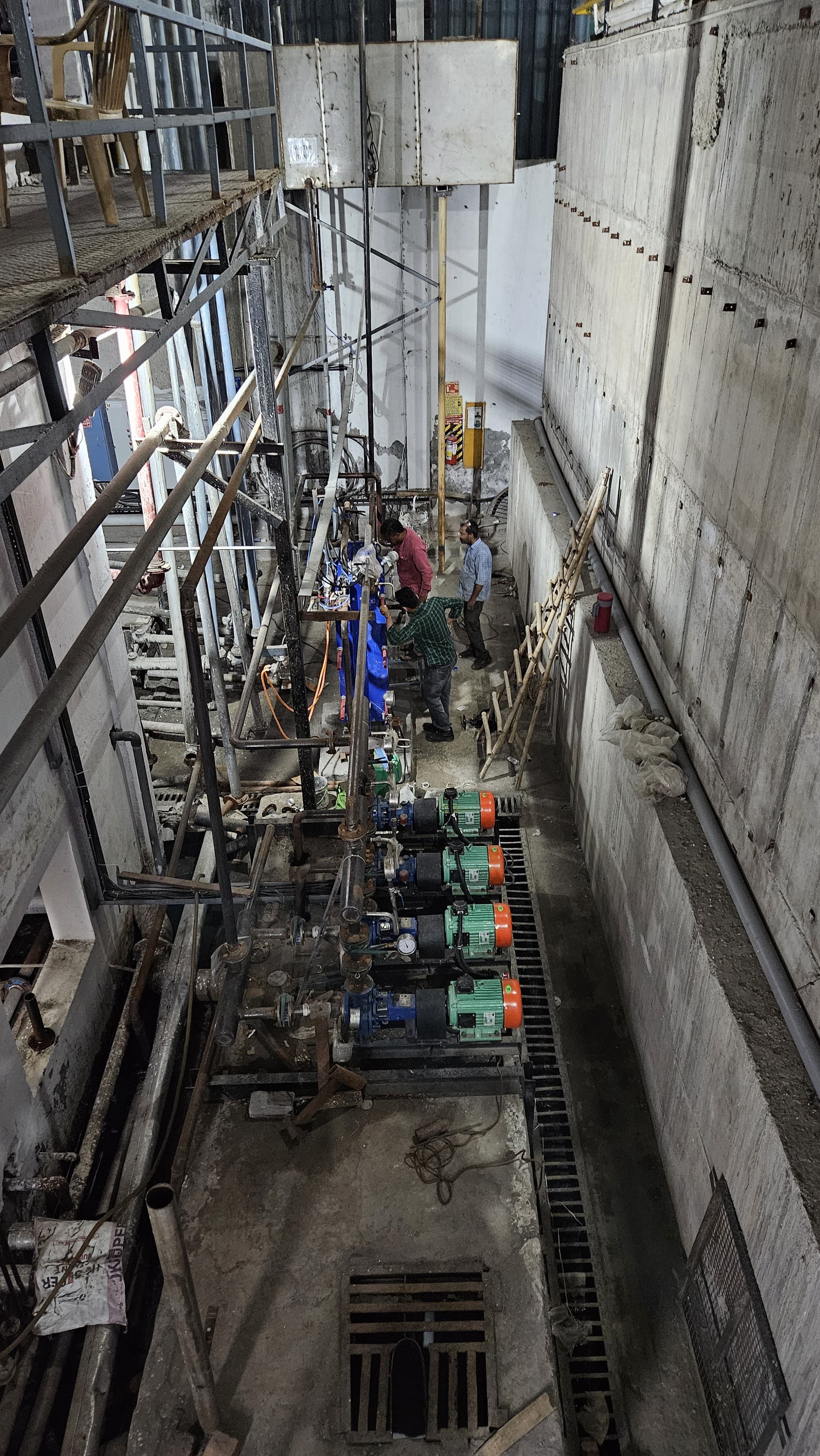
A: Designed for floor-mounted, vertical installation, this unit can be placed in indoor or sheltered outdoor areas. The units compact, skid-mounted construction allows deployment in wastewater treatment plants or any industrial site processing compatible effluent.

Q: What safety and control features are included with the system?

A: This heat recovery system features overheat protection, a pressure relief valve, and a PLC-based controller. These mechanisms ensure safe, semi-automatic operation and continuous monitoring, minimizing risks associated with high temperature and pressure.

Q: How does the system accommodate different effluent types and ensure durability?

A: Constructed from corrosion-resistant stainless steel, the unit handles acidic, basic, or neutral effluents reliably. Its chemical filtration properties, polished surface finish, and robust design ensure long-term operation even in aggressive industrial environments.

Tell us about your requirement
product

Price:

Quantity
Select Unit

  • 50
  • 100
  • 200
  • 250
  • 500
  • 1000+
Additional detail
Mobile number

Email

More Products in Heat Recovery Unit Category

Heat Recovery from Exhaust Gas

Heat Recovery from Exhaust Gas

Minimum Order Quantity : 1 Number

Usage : Other, Industrial Heat Recovery

Installation Type : Other, Horizontal / Vertical

Type : Industrial

Material : Other, Stainless Steel

Application : Textile, Chemical, Food Processing, Pharmaceutical, Power Plants

Heat Recovery In Paper Industry

Heat Recovery In Paper Industry

Minimum Order Quantity : 1 Number

Usage : Other, Paper Manufacturing Process

Installation Type : Other, Modular, Onsite

Type : Industrial

Material : Other, Galvanized Steel

Application : Paper Mill Heat Recovery System

Heat Recovery from Air compressor

Heat Recovery from Air compressor

Minimum Order Quantity : 1 Number

Usage : Other, Waste heat recovery, energy efficiency improvement

Installation Type : Other, Onsite / Modular

Type : Industrial

Material : Other, Mild Steel

Application : Industrial factories, manufacturing plants

Heat Recovery from Quenching Oil

Heat Recovery from Quenching Oil

Minimum Order Quantity : 1 Number

Usage : Other, Industrial Heat Recovery Applications

Installation Type : Other, Modular Skid Mounted

Type : Industrial

Material : Other, Mild Steel

Application : Quenching Oil Heat Exchanger Systems