Back to top

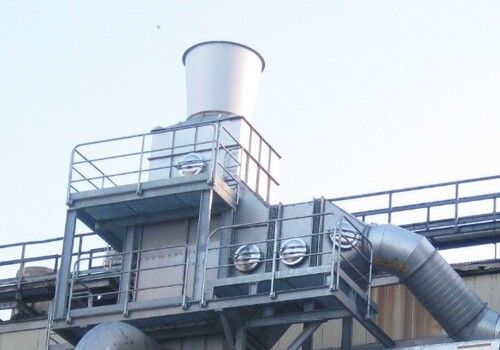
Heat Recovery from Quenching Oil

Heat Recovery from Quenching Oil

Heat Recovery from Quenching Oil Specification

  • Features
  • High Thermal Efficiency, Compact Design
  • Application
  • Quenching Oil Heat Exchanger Systems
  • Mounting Type
  • Floor Mounted
  • Energy Efficiency Rating
  • High
  • Motor Speed
  • Up to 2880 RPM
  • Accessories
  • Control Panel, Oil Circulation Pumps
  • Automation Grade
  • Semi-Automatic
  • Frequency
  • 50 Hz
  • Technology
  • Plate Heat Exchanger Technology
  • Surface Finish
  • Powder Coated
  • Shape
  • Rectangular
  • Power Source
  • Electric
  • Noise Level
  • <78 dB
  • Coverage Area
  • Customizable
  • Material
  • Mild Steel
  • Type
  • Industrial
  • Power
  • 5 - 70 kW
  • Voltage
  • 415 V
  • Capacity
  • Up to 500 kW
  • Installation Type
  • Modular Skid Mounted
  • Usage
  • Industrial Heat Recovery Applications
  • Function
  • Heat Recovery from Quenching Oil
  • Additional Product Specifications
  • Heat Exchanger Type
  • Plate/Tube/Shell & Tube Options
  • Insulation
  • High-Temperature Mineral Wool
  • Pressure Rating
  • Max 8 bar
  • Design Compliance
  • ASME/ISO Standards
  • Safety Features
  • Over-Temperature Protection, Pressure Relief Valves
  • Inlet/Outlet Temperature Range
  • Up to 350°C
  • Heat Recovery Efficiency
  • Up to 75%
  • System Control
  • Integrated Temperature Controller
  • Oil Compatibility
  • Suitable for all standard quenching oils
  • Weight
  • Varies by Model
  • Dimensions
  • Customizable According to Requirement
  • Maintenance
  • Easy Cleaning & Service Access
  • Oil Flow Rate
  • 20 - 2000 LPH
 

Heat Recovery from Quenching Oil Trade Information

  • Minimum Order Quantity
  • 1 Number
  • Supply Ability
  • 10 Per Year
  • Delivery Time
  • 15-20 Days
  • Main Domestic Market
  • Chandigarh, Punjab, Delhi, Haryana, Himachal Pradesh, Jammu and Kashmir
 

About Heat Recovery from Quenching Oil

In quenching oil systems, a Heat Recovery Unit (HRU) is employed to recover and repurpose the heat generated during the quenching process, where hot metal parts are rapidly cooled in oil to alter their mechanical properties. This process generates substantial heat, often leading to high temperatures in the oil, which can be harnessed rather than wasted.

The HRU typically works by capturing the heat from the quenching oil through a heat exchanger, transferring this thermal energy to another medium, such as water or air. This recovered heat can be used for various applications, including pre-heating oil before it enters the quenching process, heating fluids for other industrial applications, or even space heating within the facility.

Implementing a heat recovery system in quenching oil operations helps reduce the demand for external energy, lowering fuel or electricity costs and improving overall energy efficiency. Additionally, it helps to maintain optimal oil temperatures, preventing overheating and extending the life of the oil. The environmental benefits are also notable, as the reduced energy consumption lowers greenhouse gas emissions, contributing to more sustainable industrial operations. By utilizing an HRU in quenching oil systems, businesses can achieve significant savings in both energy and operational costs while promoting environmentally friendly practices.


FAQs on Heat Recovery from Quenching Oil

1. What is heat recovery from quenching oil?

Heat recovery from quenching oil involves capturing the waste heat generated during the quenching process, where hot metal parts are cooled in oil, and reusing this heat for other processes or energy needs within the facility.


2. How does heat recovery from quenching oil work?

Heat exchangers are used to transfer the heat from the hot quenching oil to another medium, like water or air, allowing the recovered heat to be reused for heating, preheating, or power generation.


3. What are the benefits of heat recovery from quenching oil?

  • Energy Efficiency: Reduces the need for additional energy by utilizing recovered heat.
  • Cost Savings: Lowers energy costs by making use of waste heat.
  • Extended Equipment Life: Helps cool the quenching oil more effectively, extending the lifespan of equipment.
  • Sustainability: Reduces energy consumption and lowers carbon emissions.

4. What types of heat exchangers are used for quenching oil heat recovery?

  • Shell and Tube Heat Exchangers: Commonly used for high-temperature oil recovery.
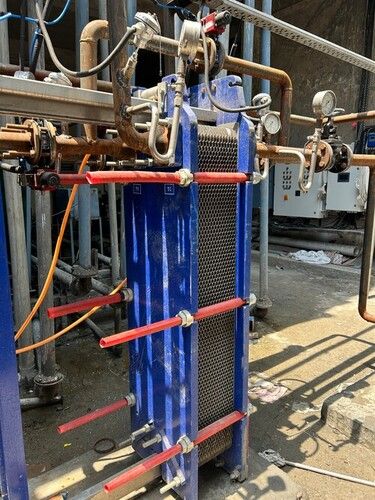
  • Plate Heat Exchangers: Offer efficient heat transfer in a compact design.
  • Air-to-Oil Heat Exchangers: Transfer heat from quenching oil to air, which can be used in other processes.

5. What industries benefit from heat recovery from quenching oil?

Industries such as:

  • Metal Processing: Recover heat during the quenching of steel or aluminum.
  • Automotive Manufacturing: Reuse heat from quenching processes in parts production.
  • Machinery and Equipment Manufacturing: Capture heat from the hardening process of metal components.

6. What factors should be considered when designing a quenching oil heat recovery system?

  • Oil Temperature: The higher the oil temperature, the more heat can be recovered.
  • Oil Composition: Ensure that the heat exchanger materials are compatible with the oil used.
  • Process Requirements: The system should be designed to meet the specific heat recovery needs of the operation.
  • Space and Layout: Consider the space available for installing the heat recovery equipment.

7. How much heat can be recovered from quenching oil?

The amount of heat that can be recovered depends on the temperature of the oil and the efficiency of the heat exchanger. Typically, significant amounts of energy can be captured and reused, depending on the scale of the operation.


8. How does heat recovery from quenching oil contribute to sustainability?

By reducing the need for external energy sources and repurposing waste heat, heat recovery systems help lower overall energy consumption, reduce greenhouse gas emissions, and contribute to a more sustainable industrial process.


9. What maintenance is required for a quenching oil heat recovery system?

  • Regular Inspection: Check for fouling, scaling, or oil buildup in the heat exchanger.
  • Cleaning: Clean the heat exchanger regularly to maintain efficiency.
  • Performance Monitoring: Continuously monitor the system to ensure it is recovering heat as expected.

10. Can heat recovery systems be retrofitted into existing quenching processes?

Yes, heat recovery systems can be integrated into existing quenching oil processes with minimal disruption, helping to enhance the efficiency of the system without significant modifications.


High Efficiency Heat Recovery Systems

Engineered for industrial excellence, our heat recovery units reclaim up to 75%% of the heat from hot quenching oil. Utilizing advanced plate, tube, or shell & tube exchanger technologies, the systems ensure optimal thermal performance even under demanding operational conditions, while minimizing energy wastage.


Robust and Safe Industrial Solutions

Safety is integral, featuring over-temperature protection, pressure relief valves, and high-temperature mineral wool insulation. Every model adheres to ASME/ISO standards, with durable mild steel construction, powder-coated surfaces, and modular, floor-mounted configurations tailored to your workspace.


Integrated Control and Easy Maintenance

Each system incorporates a user-friendly integrated temperature controller for precise monitoring and streamlined operation. Maintenance is simplified by accessible service points and easy cleaning protocols, minimizing downtime and supporting long-term reliability in industrial heat recovery applications.

FAQs of Heat Recovery from Quenching Oil:


Q: How does the heat recovery system work with quenching oil?

A: The system transfers thermal energy from used quenching oil via plate, tube, or shell & tube heat exchanger configurations. By recovering up to 75%% of this heat, it helps preheat process fluids or supply heat elsewhere in your operation, improving energy efficiency.

Q: What types of quenching oils are compatible with this system?

A: Our heat recovery units are designed to work with all standard quenching oils commonly used in industrial metal processing, ensuring broad compatibility and versatile application.

Q: When should I consider installing a heat recovery system for my quenching process?

A: Industries should install these systems when aiming to reduce process energy costs, increase sustainability, or meet regulatory requirements for efficiency and emissions. Immediate installation is beneficial if your quenching oil temperature reaches up to 350C and efficient heat management is a priority.

Q: Where can the heat recovery unit be installed in an industrial facility?

A: These systems are modular and floor-mounted, with customizable dimensions to fit seamlessly in existing industrial setups. They are typically installed near the quenching line or oil circulation system for optimal performance.

Q: What is the maintenance process for the heat exchanger?

A: Maintenance is straightforwardaccess points are provided for easy cleaning and inspection. Routine tasks include checking safety devices, cleaning heat transfer surfaces, and verifying insulation. The design ensures service can be carried out swiftly, minimizing process disruption.

Q: How does the integrated control system benefit operators?

A: The semi-automatic, integrated temperature controller enables precise management of heat recovery operations, maintaining optimal oil temperatures and ensuring process safety, while reducing the need for constant manual supervision.

Q: What are the key benefits of using this quenching oil heat recovery system?

A: Key benefits include significant energy savings, high thermal efficiency, reduced operational costs, improved environmental performance, customizable installation, and enhanced operator safety through advanced control and protection features.

Tell us about your requirement
product

Price:

Quantity
Select Unit

  • 50
  • 100
  • 200
  • 250
  • 500
  • 1000+
Additional detail
Mobile number

Email

More Products in Heat Recovery Unit Category

Heat Recovery from Effluent

Heat Recovery from Effluent

Minimum Order Quantity : 1 Number

Material : Other, Stainless Steel

Installation Type : Other, Floor Mounted

Usage : Other, Wastewater Treatment Plants

Type : Industrial

Automation Grade : SemiAutomatic

Heat Recovery from Exhaust Gas

Heat Recovery from Exhaust Gas

Minimum Order Quantity : 1 Number

Material : Other, Stainless Steel

Installation Type : Other, Horizontal / Vertical

Usage : Other, Industrial Heat Recovery

Type : Industrial

Automation Grade : SemiAutomatic / Automatic

Heat Recovery In Paper Industry

Heat Recovery In Paper Industry

Minimum Order Quantity : 1 Number

Material : Other, Galvanized Steel

Installation Type : Other, Modular, Onsite

Usage : Other, Paper Manufacturing Process

Type : Industrial

Automation Grade : Automatic

Heat Recovery from Air compressor

Heat Recovery from Air compressor

Minimum Order Quantity : 1 Number

Material : Other, Mild Steel

Installation Type : Other, Onsite / Modular

Usage : Other, Waste heat recovery, energy efficiency improvement

Type : Industrial

Automation Grade : Semi / Fully Automatic